
One thing I pride myself in is my ability to visit a new place and create a well rounded experience. I think its totally ok to the touristy things because they have the reputation that they do for a reason. For example imagine going to Rome and not seeing the Colosseum or going to London and not take a picture of Big Ben or going to Paris and not going to the Louvre. You can’t not see or do these things! I think something that happens when we travel is we get so sucked into the things we think we are supposed to see and do because we see others doing these things, but I think the magic of travel is creating your own unique experience. I like to get to know the locals and see what they think I should see or what they think I should eat. And sometimes I just like to do my own thing and see what happens. In this post I want to dig in a bit deeper into what it means to be a traveler and not a tourist, so you can have your own amazing experience abroad.
Education vs Leisure
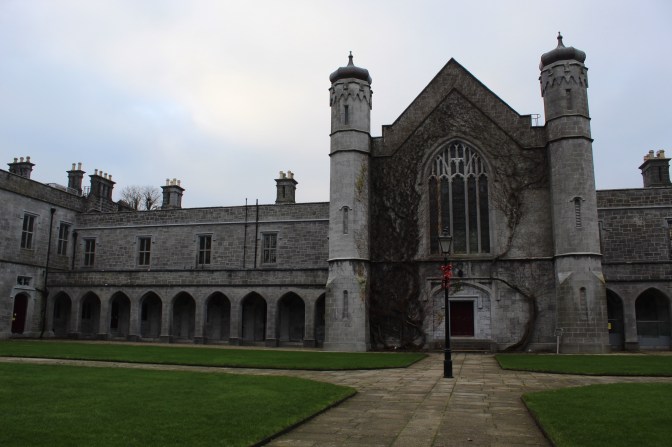
Having a purpose to your trip really drives the motivation of a traveler. I’ve found that I get the most out of my trip when it serves some purpose. I am there to learn something in hopes of taking that experience home to either better my own life or others. For example, I studied abroad in Ireland where I learned a lot about Irish culture and history through my classes. I was open to perspectives at an Irish college that I would not get at an American college. I also Au Paired in Mallorca where I took on more of a working role but still learned a lot about myself, communication with others, and my fluency in Spanish. Another example is my WWOOF in Italy where I lived with a local family learning a lot about Italian culture and food while also working on a farm and learning about sustainability. These are all opportunities you can take advantage of to learn while abroad.
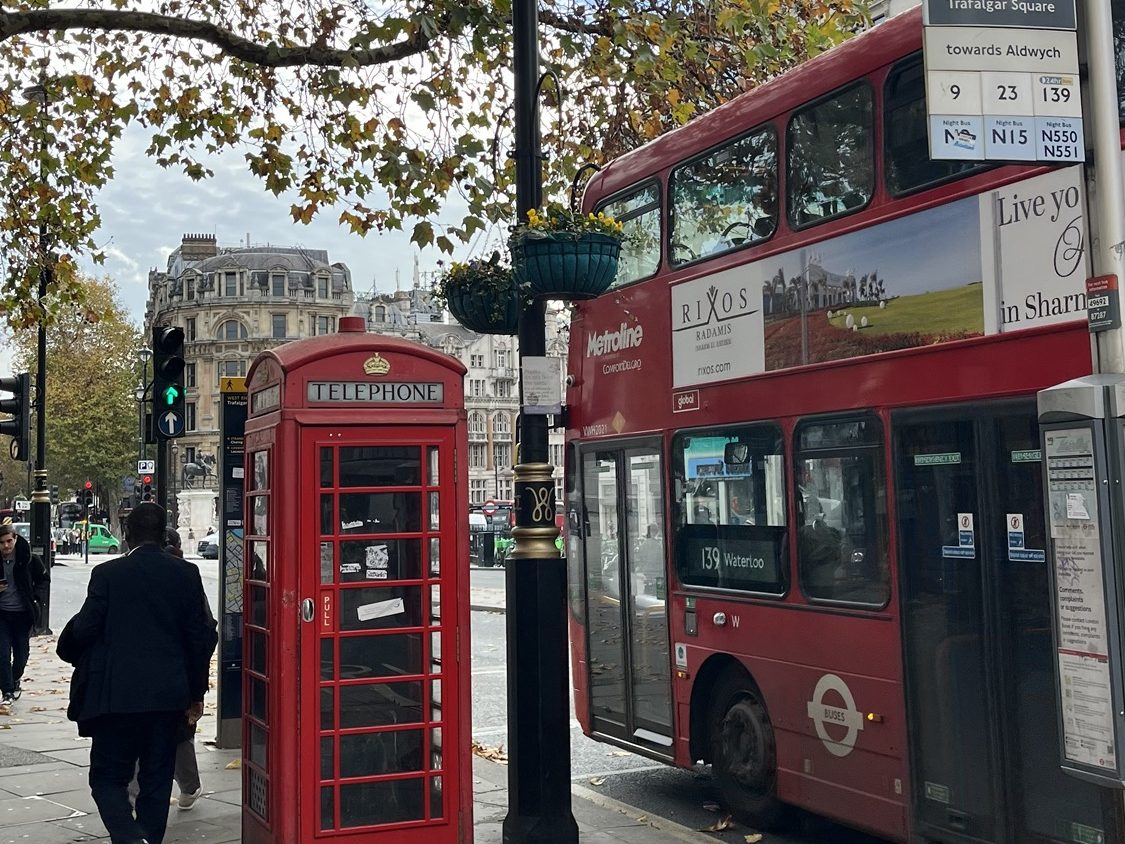
You can also use the same education mindset on just a simple week or two long trip. This blogs helps me to keep a theme in mind as a travel. For instance the theme for my 5 days in London was discovering what made the city what it is. I went to museums to learn about the history, I tried a bunch of different restaurants, I explored the nightlife as well as the natural elements. In the end I would say London is not that different from a big American city. It has a deeper history which I love, but it is still a mixing pot of people from all over the world. Reflection is key to making a vacation into an educational experience.
Now I could go on and on about the things I have learned while abroad, but I will save that for another post. The point I want to get across is a traveler is an explorer, like in the 1500s. You are going somewhere to experience and take note, so that you can bring that back with you to share with others. If you are solely going for leisure you will find that your trip may lack meaning. Sure, it is a nice vacation from work, but will you come back a better version of yourself or have you just refreshed yourself to continue your same life that required you to need a vacation in the first place?
Experiencing vs Seeing
Experience the culture, don’t just see it. Get out of your comfort zone and live like the locals. These are things I will get more in depth on how to do, but I just want to explain the difference between being a participator and an an observer, meaning experiencing vs seeing. These can mean two things. One can be living the culture instead of observing it which will be another point. The second can be creating experiences instead of just sight seeing. What do you think is a more memorable for me in my travels, meeting the Prime Minister of Belgium or seeing the Colosseum? Ordering completely in Spanish in Spain or visiting La Sagrada Familia? Bringing Mass to locals in Mexico or going to the beach in Costa Rica? Buying and learning an Irish flute or seeing Temple Bar? For me is was the former in each of those. Why? Because they were experiences! When you get out of you comfort zone and learn something about yourself, that is so much more memorable than the things you saw or activities you did abroad.
I think it is important to do both of these things abroad. I of course still do all the normal touristy things when I am traveling abroad, but your trip will lack a purpose like I stated above if you only do these and don’t create your own experiences. You’ll have all the pictures for Instagram to show others that you went to these cool places, but then how do you show yourself you did? You have to make memories for yourself by having unique experiences. Talk to people, try a new activity, speak the local language, take advantage of the opportunities around you, and be spontaneous. If you create experiences for yourself you will come away a better version of yourself with a lot of amazing memories, which is something a tourist may not be able to say they did.
Getting Out of Your Comfort Zone vs Sticking with the Familiar
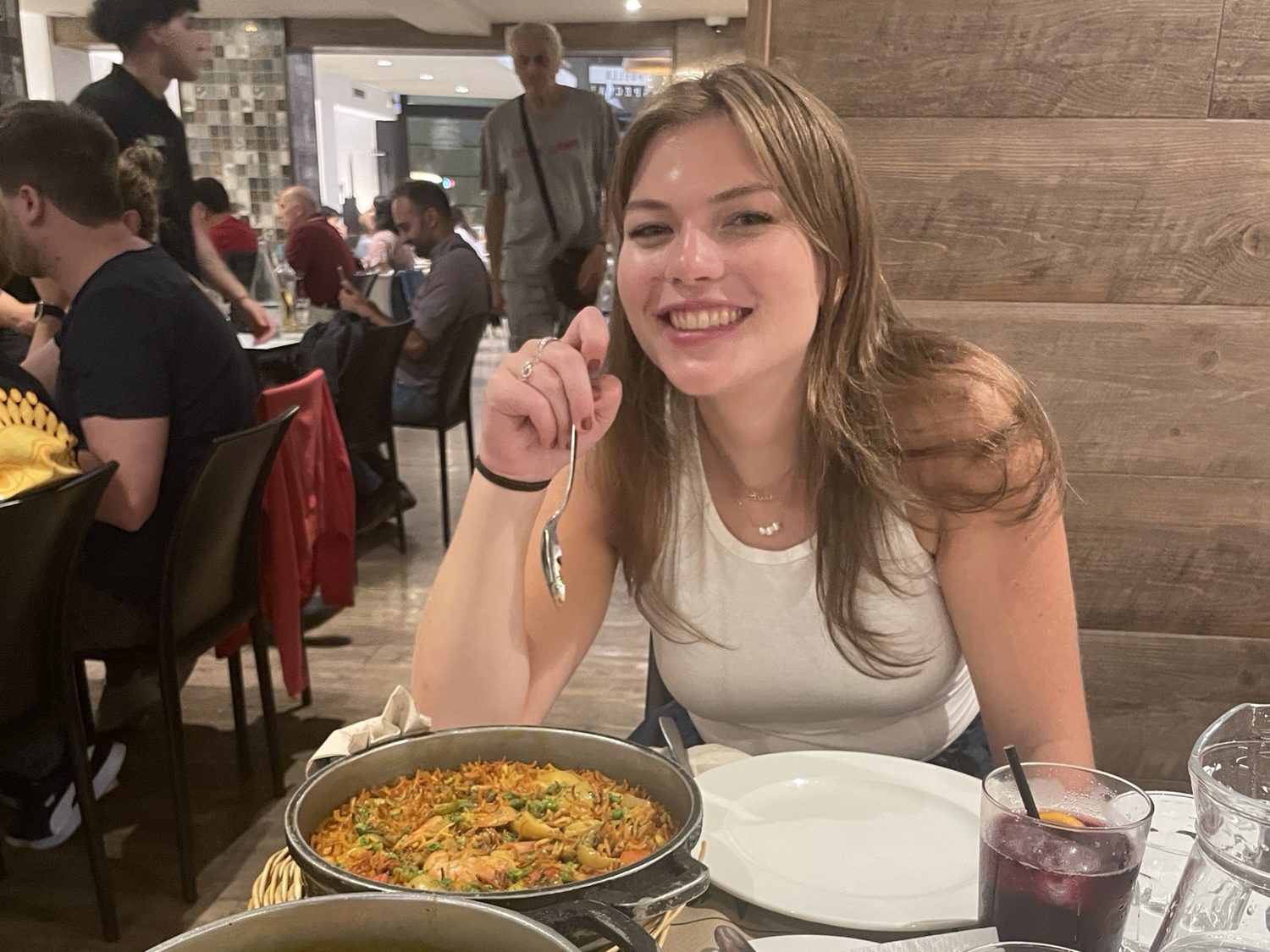
Now lets dig a little bit more into what it means to get out of your comfort zone. I was someone that never liked to get out of my comfort zone and I didn’t realize how much travel had change that for me until I saw how some of my friends adjusted to things that make them uncomfortable. I think travel is the absolute best way to get started getting out of your comfort zone. The best part about this is you can take baby steps and keep pushing yourself as you travel more, but it only works if you try. Here is a little bit of a timeline of how I began to get out of my comfort zone through travel.
When I was 17 and could not do anything by myself. I was really shy and couldn’t even go to the grocery store without one of my brothers coming in with me. I made my parents talk to everyone! I got over this by flying to Germany by myself to visit one of our exchange students. It took a few more trips to be completely comfortable doing things alone. I moved to Ireland by myself in college for a few months, I visited a few more friends in Europe, did some day trips alone when I was au pairing, did a weekend trip alone in Zurich, and all of this made it possible for me to plan a trip by myself to London.
Another thing travel pushed me of my comfort zone with was speaking Spanish. I went to Costa Rica my senior year of high school and was so excited to speak Spanish. I tried it once and did not understand a thing they said to me so I lost my confidence and didn’t try the rest of the trip. I learned a bit more and took some advanced level classes in college and then spent a week in Mexico. A lot of the people we were interacting with on this trip were not fluent in English either which really pushed me to rely on my Spanish no matter how bad it was. I saw the impact of this on them and my confidence grew once again. I still wasn’t fluent, but I was gaining confidence as I saw what it really means to speak another language and the connections you can form. Eventually I was au pairing in Spain and before I knew it I was picking up prescriptions from the pharmacy and ordering in restaurants in Spanish.
The best way to push yourself out of you comfort zone is to have a motivation to do so. I wanted to see Paula in Germany, I wanted to be a better Spanish speaker, and I wanted to see all of these places! Getting out of your comfort zone doesn’t have to be this big though. It can be as simple as trying a food you have never had before that you thought you wouldn’t like. It can meaning striking up a conversation with a local even though you’d rather keep to your group. Little things like this will slowly make you less of a tourist and more of a traveler.
Tourists tend to stick to their comfort zones. They won’t get off the beaten path and tend to stick to the activities on their itineraries or that their friends told them about. They won’t interact with the local culture and will stick with what if familiar for them. For an American tourist abroad this could be only spending time with other Americans, opting to eat at a familiar restaurant like McDonalds, choosing to stick to activities in English, and staying at hotels where they are separated from the different culture, which leads me into my next point.
Choice in Accommodation and Transportation
You maybe didn’t think where you stayed and how you got around mattered, but it does. Think about how your experience may be different if you stay at a resort instead of an Airbnb or a hotel instead of a hostel. When you stay at resort or hotel, everything you need is there. You don’t need to interact with others because you have your privacy (almost like your own little world) and food options right there. When you stay somewhere that works more as a place to keep your stuff and to sleep, you are more likely to go out and have more experiences with the local culture. You have to try the local restaurants or go to the grocery store for food instead of opting for what is at the resort or hotel. You are then pushing yourself to have more experiences instead of relying on the activities that are provided to you.
I think the very best way to not be a tourist is to stay with a local family. I’ve stayed with German friends, Belgian friends, a Spanish family, and an Italian family. Doing this will create the most unique experiences abroad that a hotel could never give you because they know the best things to do and the best food to try. If you have the opportunity to do this, I highly recommend doing it, but it will push you to get out of your comfort zone a bit.
Now as for transportation, think about the skills you develop by taking the bus or train instead of a taxi or driving. First off, they are more sustainable and therefore more respectful to the locals in the place you are a guest in, but they will also give you the best memories. You won’t remember your taxi ride from the Colosseum to the Vatican, but you will remember your bus ride through Rome and how proud you were for figuring out the Italian public transportation system. You also will take in more this way. Of course if you were to drive from Galway to Kilkenny you are able to make stops on the way to see all the little things you want to see, so it is much better for convenience, but if you take the train you get to sit with your thoughts and take in the beautiful scenery, which you wouldn’t get to do with your eyes always on the road. Sometimes inconvenience is better, but us Americans are really bad with that. Travelers don’t always choose convenience. They choose the journey, rather than the destination.
Learn the Local Language vs Always Speaking English
Now I want to address the Americans always speaking English stereotype. Everyone always gives us a hard time for assuming everyone abroad speaks English, but reality is, the majority of the time the person you are speaking to will understand and be able to speak some English, well that is in Europe. In some places in Asia, Latin America, and Africa they will speak English, but there is no guarantee. You have to be open to that and try to learn a bit of the language. Many museums and such that are meant for tourists will be in English since it is such a universal language, so you will be fine with your activities, but when going to a restaurant or talking to a local, it may be a bit trickier. Google translate is always handy when pointing and hand gestures don’t suffice, but I do think its important to learn the basics of the place you are visiting. Its proper manners to learn how to say “please”, “thank you”, and “hello” in the local language. Anyone can learn that and it makes all the difference in the world to them.
You don’t need to be fluent in the other language. I think somethings there is a kind of guilt being bestowed upon English speakers for always speaking English and not the local language, but its impossible for you to speak every language in the world. English is a universal language, anyone will tell you that. A German will speak English when visiting Denmark, a Belgian will use it when visiting Thailand, and a Mexican will use it when visiting Italy. It is ok to speak English as long as you are showing interest in the local culture. It becomes an issue when you don’t put forth any effort and assume always rely on other to accommodate you because you speak English. A tourist may not put in this effort, especially if their motivation for travel is a vacation and not to engage in the local culture. A traveler will use their native language to learn about the local culture and a few of its own words.
Live Like the Locals vs Being on Vacation Mindset
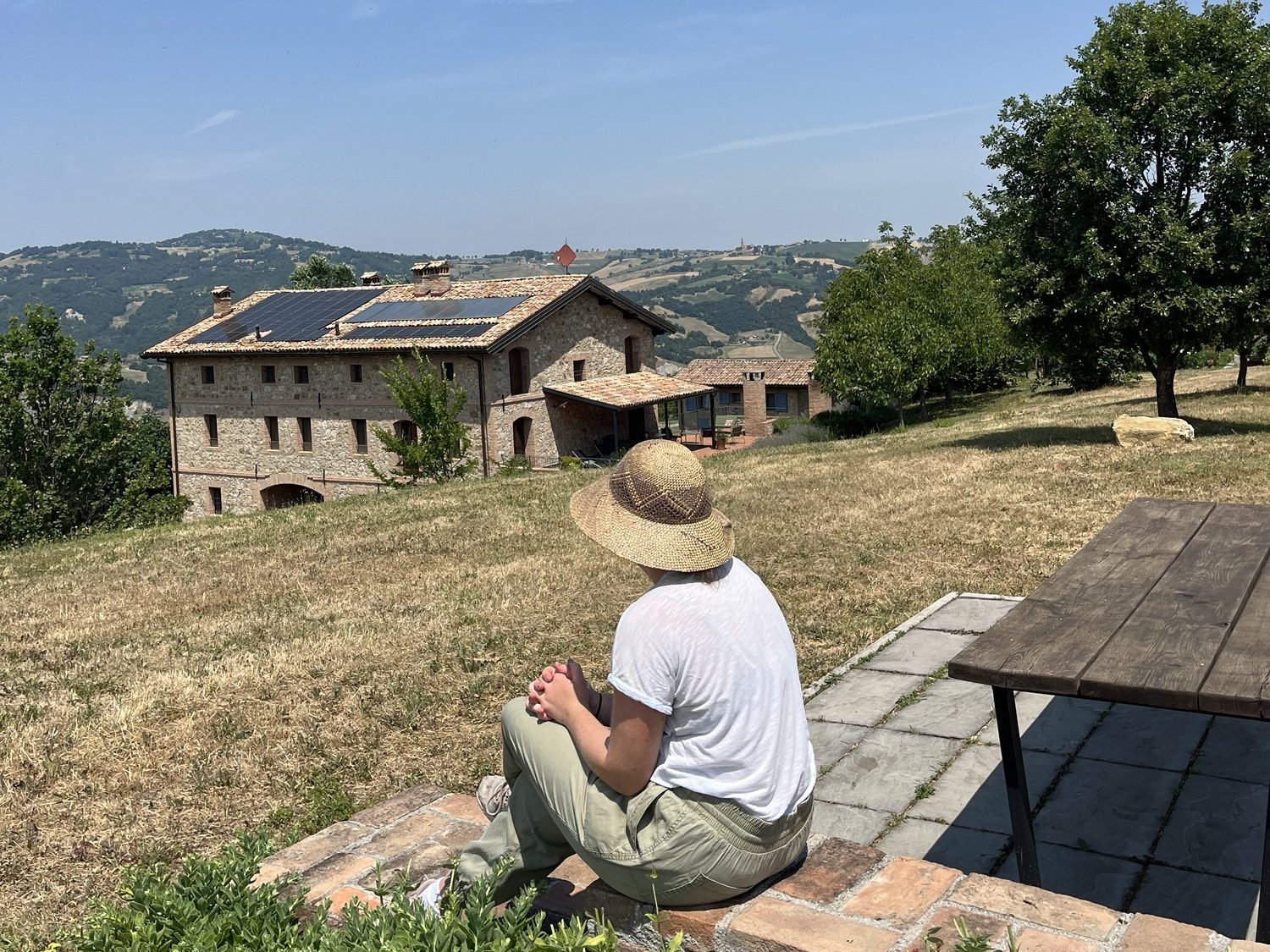
This last point is probably a culmination of everything I have talked about. A traveler uses a trip to learn and live a culture while tourists are on vacation. I really like to use this distinction when talking about my trips because it irks me when people call them vacations and they think I am going on vacation all the time. Actually I am not. I am not sitting on the beach drinking margaritas everyday. I am racking up 20,000 steps, visiting multiple museums, learning a language, figuring out public transportation, and waking up early enough to see everything I want to do everyday! Actually the last point is stretch. It depends on the trip. Sometimes I am sleeping in, but sometimes I am constantly on the go and trying to fit everything in. Now a local might not being doing all of this in a day. They probably have a much more sustainable day to day, but the point I am trying to make is a traveler is not on vacation.
The one thing you can do to be less of a tourist and to be more of a traveler is to live like the locals. This means learning a bit of the language, trying the local food and taking recommendations from locals, using the public transportation, learning about the culture and history by visiting museums and talking to the locals (you can even do this by hiring a local guide as touristy as that sounds), and treating the place you are visiting as a home and not as a temporary break from real life, because for some, that is real life.
If you are to take something away from this post, then let it be this. Every place around the world, no matter how much of a hyped up vacation destination it may be, is a home to someone and has its own unique culture and way of life. A traveler opts to discover this depth and not just the superficial aspects of a destination. Now you can choose to keep traveling as a tourist. Maybe you like that little vacation where you can pretend that real life doesn’t exist, but I think it is much more meaningful when you acknowledge that it is real life. You can come away a better person with a million new memories and knowledge to share with those around you. I think when we do this we become better as a society because we are so much more open to other perspectives and have built empathy. You’ve become a global citizen and I think that we need many more of those in such a globalized world.

 The Journal of Wanderlust